

When Your Kid Is Obsessed with Something You Just Can’t Stand
(And That’s Okay)

The unschooling truth: You don’t have to love what they love—you just have to love them loving it.
There’s this piece of advice I often give to other unschooling families:
“Get into what your kid is into. It helps you understand them, support them, and offer the right resources.”
And I stand by that. Mostly.
But let’s be honest, there are times when your kid’s passion feels like a brick wall of ugh. Not because you’re disinterested, but because the topic itself is like a personal allergy. Maybe it was your childhood cringe. Maybe it’s too noisy, too niche, too hard to follow, or just emotionally draining for you.
What do you do when your brain goes blank at the first mention of the thing your child can’t stop talking about?
Let’s drop the toxic positivity and get into it.
You Don’t Have to Be Into It You Just Have to Respect It. Why? Because modeling the principles of “How to win friends and influence people” models how to get along with and interact with all kinds of people but namely you and your child and vise versa.
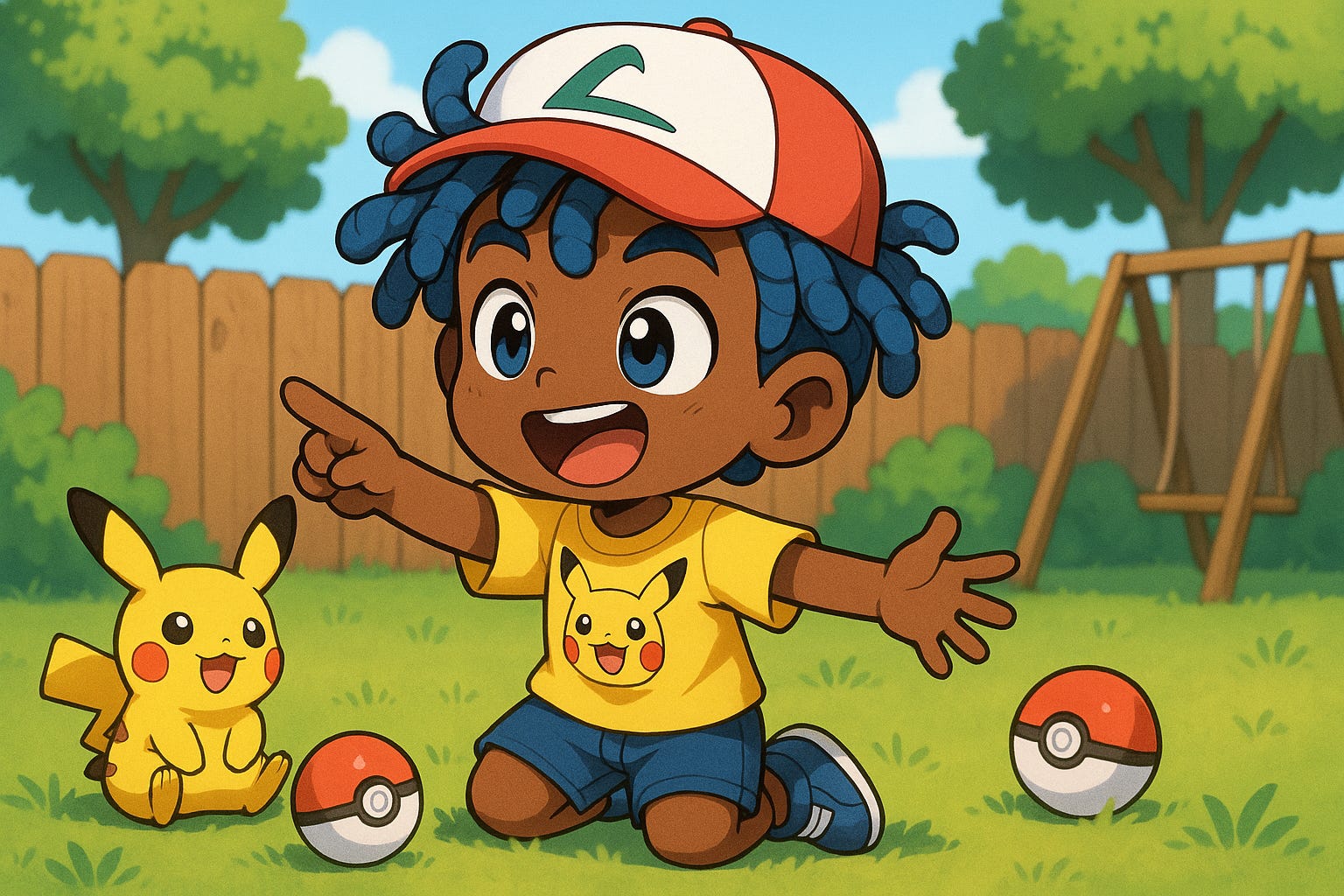
Look, time is short with these little people we created. You are not required to become a die hard fan! That’s not what getting to know you kid(s) requires of you. What it asks is that you make space for your child to become themselves, even when their passion doesn’t land for you.
That can sound like:
“I love seeing how excited you get about this!”
“I don’t totally understand it, but I’m here to support you.”
“Want me to help you find some books, videos, resources or research about it?”
Support doesn’t have to mean constant participation either. It can mean presence. Encouragement. Resource-bridging. Witnessing. Think about the attention performative parenting expects and requires of young children. We expect their full attention when lecturing, in school, when we want something. But, do you give them the same level of attention and attentiveness you expect? Model such is how children learn to mimic what is expected but it starts with the adults they watch daily.
Can you say their teachers give them a level of attention to match the demands of attention in school? Heck no 1 human can’t offer that much attention to 35+ students all day.
Boundaries Are Okay… Really!
However, if their interest pushes hard on your own limits, maybe it overwhelms you, triggers something from your past, or just scrambles your brain. It’s okay to set a boundary while you take the time to explore your emotional regulation and the source of your distress.
You can say:
“I know you’re really into this and that’s awesome. Sometimes it’s hard for me to stay present with it, but I still care, please give me time to learn about it.
or “Let’s find someone else who can really dive deep with you!”
You’re not shutting them down. You’re modeling honest self-regulation. Consent. Emotional awareness. These are critical skills they won’t learn from forced enthusiasm.
Find the Side Door (Not the Front Row)
If you can’t connect with the topic head-on, find a way to orbit it:
Do they love an anime you can’t watch? Ask about how the stories are written.
Hate Minecraft? Get curious about the logic they’re using to build their own worlds.
Bugs freak you out? Help them set up a bug habitat without having to touch anything. Like purchasing the materials they need.
Your adult child may not remember you distaste for the subject. Rather what they will cherish is the memory of a parent that supported their interests.
You don’t have to dive into the deep end, you just need to show up poolside with a towel and a snack.
When Cringe = Trauma
Sometimes, their obsession scratches at something tender in you.
Maybe you were teased for liking it yourself.
Maybe you were made to give it up too young.
Maybe it reminds you of a part of yourself you still haven’t forgiven.
This is something you need to solve with your inner child in a private moment. Start by noticing it. Calling on the age you were when it hurt. Calling out the distress. Holding it gently. Nurturing it rather than ignoring or dismissing it.
That’s reparenting. That’s healing. That’s deschooling.
Find Third Spaces
You don’t have to be the only person in their learning journey. (In fact, it’s better when you’re not.) Invite another family member to geek out with them. My son talks for hours and hours with his uncle about things my mind shuts off to. It’s a bond their share based on imaginative plays my brother use to make when we were kids.
My brother would sit in his room for hours making songs, dances, dialog and choreographed movements for his toys and figures. While also imaginative myself my imagination with focus on real world creation. I could never get into the the endless play with toys. I needed to get up, get out, plan and execute real actions taking real risks in my life.
The two of them however, with 2,500 miles and a time zone between them, are able to vibe out on that imaginative type of playtime. By the time my brother needs to get to work or go to sleep, my kid is so rewarded he moves on to other things and I am off the hook!
Other than family, Connect them to a safe offline or online groups, library resource, or community meetups. I know finding like minds can be a challenge but organizations like “Scouting America” of a boat load of merit badge focuses that can safely allow your child to engage all types of interests.
Hey hey I hear your thoughts about Scouting America (formerly the Boy Scouts), now inclusive of females. They don’t pay me or sponsor my work but as an unschooler I give them an E for Effort albeit a bit outdated and not up to speed with the Alpha Gen. However, that is a family participation problem we can discuss if you are interested. Let’s Talk Scouts for Unschoolers
It doesn’t hurt to give them solo time with their interest without needing your engagement for it to matter. Simply sitting with them goes a long way.
One of the core tenets of the 5 Ease Methodology is Exposure: broadening access to culture, people, spaces, and experiences that expand learning without forcing alignment or assimilation.
You Don’t Have to Fake It to Make It
Your kid doesn’t need a parent who pretends. They need a parent who sees them, even from the sidelines. Someone who cheers, even when they don’t get the game. Someone who debates with them, even, about a topic they might want to passionately defend.
Sometimes the most powerful thing we can say is:
“I don’t get it. But I hear you. And I think what you’re doing is amazing.”
That’s real support. That’s lifelong learning. That’s unschooling with ease, not performance.
Want more raw, honest reflections on unschooling life?
Make sure you're subscribed for new posts, prompts, and resources from the Unschool Pages Hub. My storybook “Unschool Discoveries” is available for purchase and delivery on my site, amazon and barnes and noble.
And if this post hit home, please forward it to another parent who needs to hear this.